
 About Us
 Quality Innovation
 Value and Responsibility
 4100XPCXXL
 Track Shoe
 Tumbler and Idler
 ROLLER
 Other Parts
 Cone Crusher Parts
 Jaw Crusher Parts
 Impact Crusher Parts
 Gyratory Parts
 TIC Inserts Crusher Wear Parts
 Manganese Hammer
 Manganese Wear Parts
 DHT Hammer
 Alloy Wear Parts


Ultimate Guide to Extending Cone Crusher Lifespan: Wear Parts Solutions
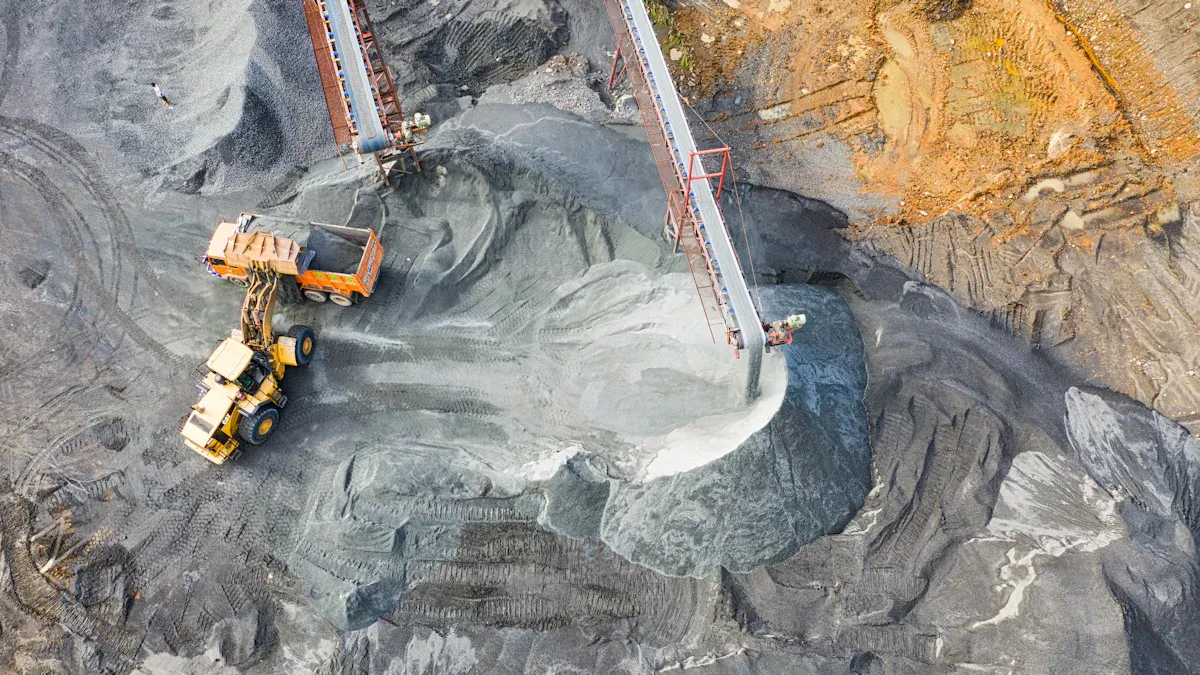
Extending Cone Crusher Lifespan depends on strategic wear parts selection and proactive maintenance. Real-time monitoring and predictive maintenance have shown a 38–46% reduction in performance variability and a 12–16% increase in average circuit performance. Effective wear parts management ensures cost-efficiency, operational reliability, and minimizes downtime for every operation.
Key Takeaways
- Choose wear parts made from high-quality materials like manganese steel or ceramic composites to greatly extend crusher lifespan and reduce maintenance costs.
- Perform regular inspections, cleaning, and lubrication to catch wear early, prevent breakdowns, and keep the crusher running efficiently and safely.
- Replace wear parts promptly when signs of excessive wear appear to maintain consistent crusher performance and avoid costly downtime.
Understanding Cone Crusher Wear Parts
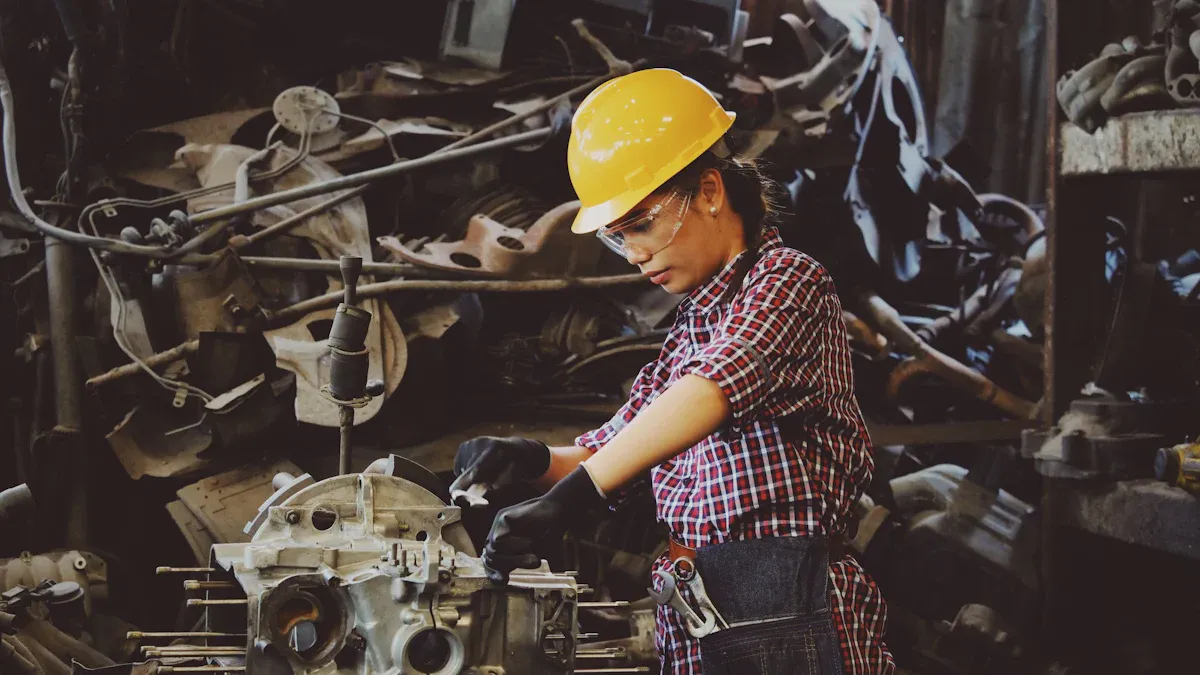
Key Components: Liners, Mantles, and Concaves
Cone crushers rely on three primary wear parts: liners, mantles, and concaves. Each component plays a distinct role in the crushing process. Liners shield the crusher’s internal surfaces from abrasive material, extending the machine’s lifespan. Mantles, positioned on the main shaft, crush material against the concaves, which form the outer shell of the crushing chamber.
Wear parts differ by material composition. Manufacturers often use high-quality alloys such as manganese steel or Metal Matrix Composite (MMC). These materials can last up to three times longer than standard castings. Some liners, like the Rock Box spider arm liner, increase wear life by up to 300%. Advanced mounting racks for concaves reduce installation time by up to 50%, improving maintenance efficiency. Modern design techniques, including 3D laser scanning, help track wear patterns and optimize chamber profiles, potentially doubling wear life.
Tip: Regular inspection and timely replacement of these components prevent mechanical failures and maintain optimal crusher performance.
Impact of Wear Parts on Crusher Performance
Wear parts directly influence crusher efficiency, product quality, and operational costs. Uneven or excessive wear on liners and mantles changes the crushing chamber’s geometry, reducing throughput and product consistency. For example, a 1/8-inch tilt in the adjustment ring can decrease 3/8-inch product output by 10%.
Laser scanning technology measures wear, helping operators estimate remaining service life and identify high-wear areas. Real-world data, such as feed rates and wear part change records, links wear conditions to productivity. Selecting the right wear parts and alloys, like premium manganese steel, improves production and reduces energy consumption. Durable wear parts also lower maintenance costs and enhance safety by minimizing the need for frequent interventions.
Choosing the Right Wear Parts for Extending Cone Crusher Lifespan
Material Selection and Application Suitability
Selecting the right material for cone crusher wear parts forms the foundation for extending cone crusher lifespan. Engineers analyze various wear mechanisms, such as adhesive and abrasive wear, erosion, and surface fatigue, to determine the most suitable material for each application. They consider properties like hardness, anti-galling characteristics, corrosion resistance, and fatigue strength. For example, manganese steels excel in resisting abrasive wear, while copper-based alloys mitigate galling. Cobalt-based alloys provide superior corrosion resistance in harsh environments.
A systematic approach to material selection weighs multiple criteria, including dimensional stability and compatibility with other crusher components. This process ensures that the chosen material meets both functional and economic requirements. Engineers often use multi-criteria decision-making and fatigue-limited design to balance performance, durability, and environmental impact. By considering all these factors collectively, operators can maximize wear part longevity and crusher efficiency.
A case study titled "Prediction of Cone Crusher Performance Considering Liner Wear" demonstrates the value of proper material selection. Researchers used statistical modeling to relate liner wear to crusher performance, showing that accounting for liner material properties leads to better predictions of particle size distribution and compression ratio changes. This approach supports the importance of selecting appropriate wear parts to extend equipment lifespan and maintain consistent output.
The following table compares common wear part materials and their performance indicators:
| Material Type | Hardness (HRC) | Wear Resistance Index (relative to Mn13Cr2) | Impact Resistance | Expected Lifespan (hours) |
|---|---|---|---|---|
| Mn13Cr2 | 18-22 | 1.0 | High | 800-1200 |
| Mn18Cr2 | 22-25 | 1.5 | Moderate | 1200-1800 |
| Mn22Cr2 | 25-28 | 2.0 | Lower | 1800-2500 |
| Titanium Carbide Inlay | 58-62 | 3.5 | Low | 2500-3500 |
| Ceramic Composite | 60-65 | 4.0 | Very Low | 3000-4000 |
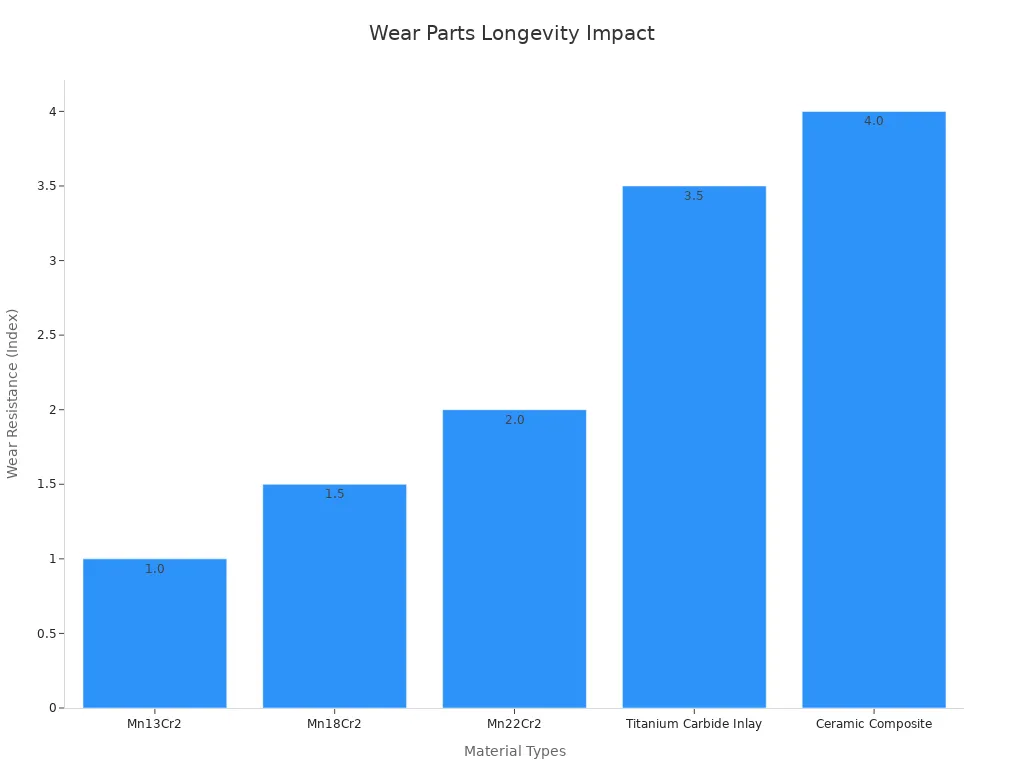
A granite quarry upgraded from standard manganese steel to Mn22Cr2 with titanium carbide composite. This change increased part lifespan from 600 to 1900 hours, reduced downtime, and lowered the over-crushing rate. The result was a significant reduction in operating costs and improved crusher reliability.
Note: Material selection should always match the specific wear mechanisms and environmental conditions present in the operation.
Design Options and Customization
Customizing wear parts to fit the unique demands of each cone crusher model can dramatically improve performance and reduce maintenance costs. Manufacturers use advanced design tools, such as finite element analysis and 3D scanning, to optimize the fit and stress distribution of liners, mantles, and concaves. Custom designs address specific challenges, such as uneven wear patterns or high-impact zones, by adjusting thickness, profile, or alloy composition.
Design studies show that tailored wear parts made from high-chrome iron and manganese steel can extend wear life and lower costs. One operation increased wear life from 900,000 to 2 million tons of rock processed, cutting costs from $68,000 to $30,000 and reducing cost per ton by more than half. These results highlight the value of investing in custom solutions for demanding applications.
Manufacturers like Metso and Amcast offer customized liners engineered for precise fit and durability. These solutions consider the crusher’s design and the type of material processed, ensuring that wear parts withstand operational stresses and deliver consistent performance. Customization not only extends service intervals but also enhances energy efficiency and reduces the risk of unexpected failures.
Tip: Operators should consult with wear part specialists to explore custom design options that address their unique operational challenges.
Matching Wear Parts to Crushing Conditions
Matching wear parts to the specific crushing conditions is essential for extending cone crusher lifespan and optimizing performance. Leading manufacturers use simulation software to design crushing chambers tailored to exact operating parameters, such as feed size, material hardness, and throughput requirements. This approach ensures that wear parts deliver maximum wear resistance and efficiency under real-world conditions.
- Metso’s Chamber Optimization Program uses proprietary software to create chamber designs that match operational data, improving performance and reducing cost per ton.
- OEM specifications guarantee that wear parts fit perfectly and function reliably, whether in stationary or mobile crushers.
- Multiple wear part series, such as O-Series, Expert Series, Max Series, and MX Series, address different operational needs, from standard applications to highly abrasive environments.
- Strict quality control during manufacturing ensures that wear parts meet the demands of specific crushing conditions, using high-quality manganese and advanced foundry processes.
- Services like Chamber Expert Service and Life Cycle Services provide ongoing support, helping operators select and maintain the best wear parts for their application.
- MX Series wear parts, featuring hybrid manganese steel with wear-resistant inserts, double wear life and support sustainable operations, especially in secondary crushing.
Operational data confirms that matching wear parts to the right conditions extends liner life, improves crusher economy, and enhances profitability. By aligning wear part selection with actual crushing demands, operators achieve longer service intervals, reduced downtime, and more consistent product quality.
Callout: Regularly review operational data and consult with OEM experts to ensure wear parts remain matched to evolving crushing conditions.
Installation and Setup Best Practices
Correct Installation Procedures
Proper installation of cone crusher wear parts sets the foundation for long-term equipment reliability. Teams should identify critical process characteristics before starting installation. A cross-functional team often uses Design Failure Mode and Effects Analysis (DFMEA) to pinpoint these factors. After identifying key characteristics, technicians collect measurement data in small groups, typically four or five samples at a time. They use control charts, such as X-bar and R charts, to monitor the average and range of these measurements. Calculating control limits from this data—not just relying on engineering specifications—helps detect process stability. Regularly recording measurements, including date and time, allows teams to track trends and spot deviations early. When outliers or unusual patterns appear, immediate corrective action maintains quality and prevents future issues.
Tip: Consistent data collection and analysis during installation help ensure process stability and reduce the risk of early wear part failure.
Alignment, Fitment, and Vibration Control
Accurate alignment and fitment of wear parts play a crucial role in minimizing vibration and mechanical stress. Engineering studies show that misalignment and imbalance in rotating machinery lead to increased vibration, uneven wear, and potential component failure. Two main types of alignment—angular and parallel—require attention. Laser alignment systems offer the highest accuracy, reducing vibration and extending wear part life. Regular checks with accelerometer sensors and simulation tools further optimize alignment and balance before full operation. Dynamic balancing and flexible couplings also help control vibration, ensuring smooth crusher performance.
Initial Setup to Prevent Premature Wear
Initial setup decisions directly impact the lifespan of wear parts. Selecting the correct crushing chamber for the maximum feed size prevents concentrated wear in specific areas. Operators should maintain choke feeding with evenly distributed material to ensure uniform wear around the chamber. Proper mantle positioning, based on eccentric throw and closed side setting (CSS), creates an optimal wear profile. Frequent monitoring and adjustment of CSS preserve crusher productivity and reduce the risk of premature wear. These practices extend wear part life, minimize downtime, and support consistent crusher output.
Maintenance Strategies for Extending Cone Crusher Lifespan
Regular Inspection and Monitoring
Routine inspection and monitoring form the backbone of any effective maintenance strategy. Operators who perform regular checks on cone crushers can prevent unexpected breakdowns and extend equipment life. Inspections help identify early signs of wear, misalignment, or mechanical issues before they escalate. Facilities that transition from reactive to preventive maintenance report a 32% reduction in unplanned downtime and a 53% increase in completed work orders. These improvements translate into an average annual saving of 250 hours, which can be redirected to critical operational tasks.
Key benefits of regular inspection and monitoring include:
- Longer equipment lifespan by preventing breakdowns and damage.
- Enhanced employee safety through early detection of maintenance issues.
- Reduced maintenance costs by minimizing emergency repairs.
- Improved compliance with industry regulations and certifications.
- Early identification of minor issues, preventing unsafe conditions.
Operators should use condition monitoring technologies such as vibration analysis, thermography, and oil analysis. These tools provide real-time visibility into asset health and enable predictive maintenance. Daily inspections should cover oil levels, temperature, pressure, foreign material clearance, motor power draw, fastener tightness, and unusual noises. Weekly checks should include V-belt condition, oil leaks, mantle and concave tightness, discharge gap settings, and greasing of the upper frame. By maintaining a consistent inspection schedule, teams can optimize crusher performance and support the goal of extending cone crusher lifespan.
Tip: Regular inspections not only improve reliability but also support a safer and more productive work environment.
Cleaning, Lubrication, and Adjustment
Proper cleaning, lubrication, and adjustment activities directly influence the longevity of wear parts. Contamination control through cleaning prevents hard particles from entering the crusher, which reduces abrasive wear—the most frequent cause of rapid wear. Lubrication maintains a protective film between metal surfaces, preventing adhesive wear and material transfer. Operators should use high-quality lubricants suitable for heavy machinery and replace them according to manufacturer guidelines. Automated lubrication systems can further reduce the risk of under-lubrication.
Adjustment practices, such as maintaining proper alignment and load management, help prevent excessive loads and misalignment. These actions reduce adhesive wear and fatigue, extending the life of wear parts. Setting cleanliness targets, frequent particle counting, and using filtration systems are proactive measures that lower wear rates. Operators should replace lubricating grease in the cone crusher casing at least once every three months, ensuring the grease fills 50-70% of the casing volume. Regularly inspecting and tightening connecting bolts, checking belts for wear or looseness, and inspecting the electrical system for faults are essential steps.
A well-maintained lubrication schedule includes an initial oil change after 100 hours, a second after 300 hours, and subsequent changes every 500 hours. Consistent cleaning, lubrication, and adjustment activities not only reduce downtime but also improve crusher utilization and extend the lifespan of critical components.
Maintaining a continuous choke feed with consistent, homogenous material prevents erratic operation and excessive liner wear, further supporting equipment longevity.
Record-Keeping and Performance Tracking
Accurate record-keeping and performance tracking are essential for effective maintenance management. Detailed logs of inspections, repairs, parts replaced, and maintenance actions allow operators to track machine health over time. These records help identify patterns in breakdowns and plan repairs proactively. Digitizing logs through computerized maintenance management systems (CMMS) makes data analysis, scheduling, and reminders more efficient, reducing downtime.
Best practices for record-keeping include:
- Maintaining comprehensive logs of all maintenance activities, repairs, and replacements.
- Using these logs to forecast future maintenance needs and prepare efficiently.
- Establishing and adhering to a regular maintenance schedule to prevent unexpected failures.
- Training maintenance personnel continuously to improve diagnosis and repair accuracy.
- Embracing technology and maintenance management software to enhance record-keeping and maintenance efficiency.
Regular review and analysis of maintenance data help identify recurring issues and optimize maintenance strategies. These practices have been statistically linked to improved maintenance outcomes and extended equipment life. By prioritizing accurate documentation and performance tracking, operators can make informed decisions that contribute to extending cone crusher lifespan.
Note: Comprehensive maintenance records support regulatory compliance and provide valuable insights for continuous improvement.
Recognizing When to Replace Wear Parts
Identifying Signs of Excessive Wear
Operators must recognize early signs of excessive wear to prevent costly downtime and equipment damage. Several indicators signal that wear parts approach the end of their service life:
- Monthly documentation of wear patterns through photographs helps track progression.
- Measuring wear on liners, jaws, and mantles provides quantitative data.
- Oil analysis trends reveal early signs of internal wear.
- Bearing temperature, noise, and lubrication status indicate component health.
- Monitoring motor temperature, vibration, and amperage readings uncovers hidden issues.
Changes in the size of crushed material often serve as a clear warning. When liners wear down, the crusher produces inconsistent product sizes, either too coarse or too fine. This variation signals the need for adjustment or replacement to maintain consistent performance.
Performance Drops and Safety Considerations
Performance drops often accompany excessive wear. Operators may notice:
- Inconsistent product size due to worn liners.
- Visible damage, such as bent rotors or cracked frames.
- Excessive vibration from worn components.
- Overheating of bearings and motors.
- Spikes in power consumption, indicating mechanical strain.
- System alarms from IoT sensors monitoring load, temperature, and vibration.
Ignoring these signs can compromise safety. Worn parts increase the risk of catastrophic failure, posing hazards to personnel and equipment.
Guidelines for Timely Replacement
Statistical analysis of wear patterns supports timely replacement decisions. Operators can use control charts to monitor trends and shifts. The following table summarizes key rules for interpreting wear data:
| Rule Number | Pattern Description | Interpretation | Potential Causes |
|---|---|---|---|
| Rule 2 | Eight or more points on one side of centerline | Prominent shift, significant change | Tool wear, improper setup, poor maintenance |
| Rule 3 | Four out of five points in zone B or beyond | Small shift, minor change | Intermittent support failure, tool wear |
| Rule 4 | Six or more points steadily increasing or decreasing | Gradual change, process degradation | Gradual support failure, tool wear |
| Rule 5 | Two out of three points in zone A | Large shift, major change | Support failure, improper maintenance, tool wear |
Operators who follow these guidelines ensure timely replacement, maintain crusher efficiency, and protect both personnel and assets.
Advanced Wear Parts Solutions and Upgrades
Modern Wear-Resistant Materials
Modern wear-resistant materials have transformed the durability and efficiency of cone crusher wear parts. Engineers now focus on hardness, microstructural control, and intrinsic properties like stiffness and cyclic plasticity to enhance wear resistance. Recent advances include:
- Nanostructuring techniques such as nano-twins and gradient nanostructures, which significantly improve wear resistance.
- Additive manufacturing enables the creation of nanocrystalline and high-entropy alloys, offering superior durability.
- Surface engineering methods, including nanocomposite and amorphous coatings, drastically reduce wear.
- Reinforcements with carbon nanomaterials and 2D materials like Mxenes increase mechanical strength and hardness.
- Computational modeling guides the design of these advanced materials, ensuring optimal performance.
Practical applications in industries such as aerospace and automotive show that these materials reduce wear, improve durability, and save energy. For example, thermally sprayed double-layer coatings and nanoparticle reinforcements have demonstrated significant improvements in wear resistance.
Monitoring and Automation Technologies
Monitoring and automation technologies now play a critical role in maximizing wear part performance. Cyber–Physical Systems, PLCs, and advanced sensors provide real-time data on crusher operation. These systems enable intelligent decision-making and predictive maintenance, reducing downtime and improving reliability. Real-time asset monitoring and IoT integration allow operators to track wear part health, optimize maintenance schedules, and extend service life. Automation supported by AI and sensor data enhances product quality and consistency. Advanced sensors monitor temperature and vibration, enabling early detection of maintenance needs and minimizing failures.
Upgrading for Extended Service Life
Upgrades to cone crushers have delivered measurable improvements in wear part longevity. At Boral's Linwood quarry, the installation of Metso Nordberg® HP3™ cone crushers increased throughput by 20% despite a smaller physical footprint. Advanced automation and integrated control systems optimized crushing force, reducing wear and extending part life. The tramp release and liner fastening systems minimized downtime and labor. Simulation software modeled and optimized crusher performance, supporting operational decisions that further reduced wear. Site management reported lower maintenance costs, improved product quality, and higher production rates, all contributing to longer wear part service life.
Training and Support for Extending Cone Crusher Lifespan
Operator Training Essentials
Operators play a vital role in maximizing cone crusher efficiency and wear part longevity. Comprehensive training programs teach operators to identify early signs of wear, perform routine inspections, and follow correct installation procedures. Well-trained staff understand how to maintain optimal feed conditions and adjust settings to prevent uneven liner wear. They also learn to use monitoring tools, such as vibration sensors and oil analysis kits, which help detect issues before they escalate. Regular refresher courses ensure that operators stay updated on the latest maintenance techniques and safety protocols. This proactive approach reduces downtime and supports the goal of extending cone crusher lifespan.
A knowledgeable operator can spot subtle changes in crusher performance, preventing costly failures and improving overall productivity.
Accessing Technical and Manufacturer Support
Technical support from manufacturers directly impacts wear part performance and reliability. Leading suppliers, such as Amsted Global Pty Ltd, provide expert guidance on selecting the right manganese steel grades for specific crushing applications. Their collaboration with OEMs and end-users has led to the development of advanced steel grades, which can double liner life when matched to the correct material. Manufacturers also supply test certificates, dimensional inspections, and heat treatment verification, ensuring consistent quality and traceability. Sandvik uses finite element analysis to optimize liner designs, adding features like local thickening and honeycomb structures. These innovations have increased liner replacement cycles by up to 40%, reducing maintenance costs and improving uptime. Manufacturers offer tailored advice on liner profiles, feed openings, and material selection, helping operators achieve the best results for their unique conditions.
Access to technical support and engineering expertise ensures that every operation benefits from the latest advancements, supporting the mission of extending cone crusher lifespan.
Operators who focus on strategic wear part selection, regular maintenance, and timely replacement achieve longer crusher service life.
- Selecting materials like manganese or tungsten carbide tailored to site conditions extends wear life.
- Optimized chamber design and custom liners improve efficiency and reduce costs.
- Proactive maintenance prevents downtime, supporting Extending Cone Crusher Lifespan.
FAQ
How often should operators inspect cone crusher wear parts?
Operators should inspect wear parts weekly. Early detection of wear or damage prevents unexpected failures and extends equipment lifespan.
What materials offer the best wear resistance for cone crusher liners?
Manganese steel and ceramic composites provide superior wear resistance. These materials withstand high-impact and abrasive conditions in demanding crushing environments.
Can automation improve cone crusher maintenance?
Yes. Automation systems monitor wear, track performance, and alert operators to maintenance needs. This approach reduces downtime and increases crusher reliability.