
 About Us
 Quality Innovation
 Value and Responsibility
 4100XPCXXL
 Track Shoe
 Tumbler and Idler
 ROLLER
 Other Parts
 Cone Crusher Parts
 Jaw Crusher Parts
 Impact Crusher Parts
 Gyratory Parts
 TIC Inserts Crusher Wear Parts
 Manganese Hammer
 Manganese Wear Parts
 DHT Hammer
 Alloy Wear Parts


The Role of Cone Crusher Parts in Optimizing Mining Operations
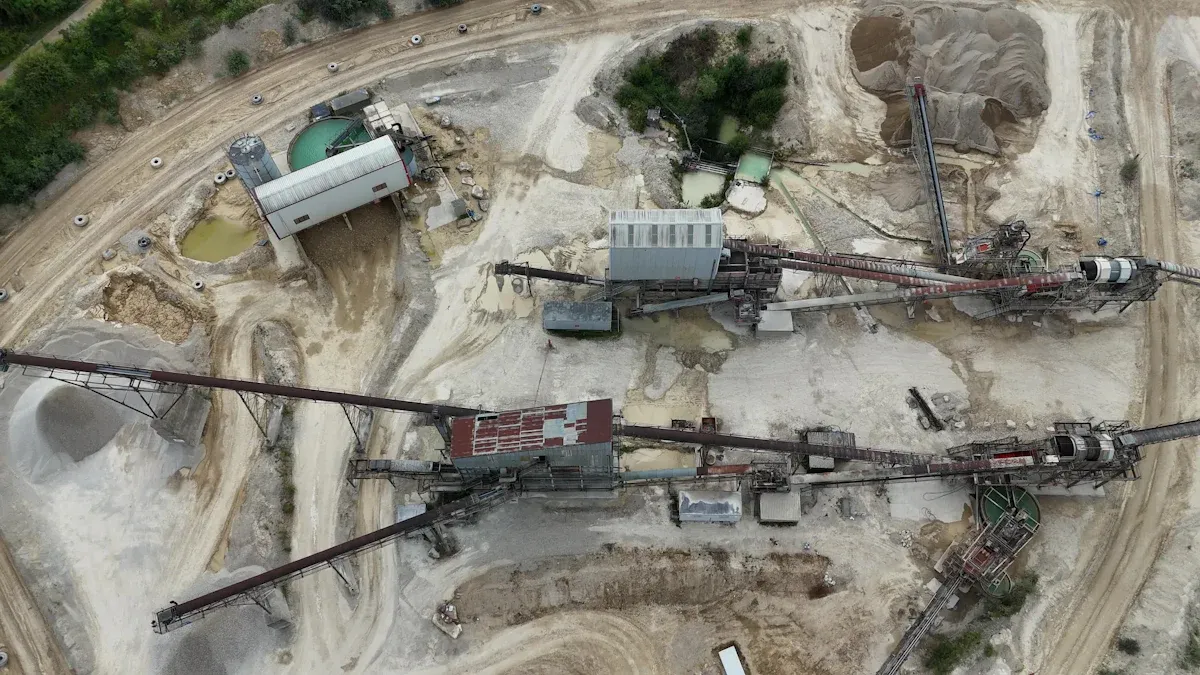
I see firsthand how Cone Crusher Parts shape mining efficiency and profitability. When I choose high-quality parts, I reduce operational costs and extend equipment life. Advanced materials, like Mn14Cr2/Mn18Cr2 alloys, let me replace parts less often and keep downtime minimal. This approach drives productivity and supports long-term success.
Key Takeaways
- Using high-quality cone crusher parts like mantles, concaves, bushings, and bearings improves mining efficiency by reducing wear, downtime, and maintenance costs.
- Regular inspection and proper maintenance, including lubrication and monitoring, extend the lifespan of crusher parts and prevent unexpected breakdowns.
- Adopting advanced materials and smart monitoring technologies boosts crusher performance, safety, and productivity while lowering long-term expenses.
Cone Crusher Parts and Their Impact on Mining Operations
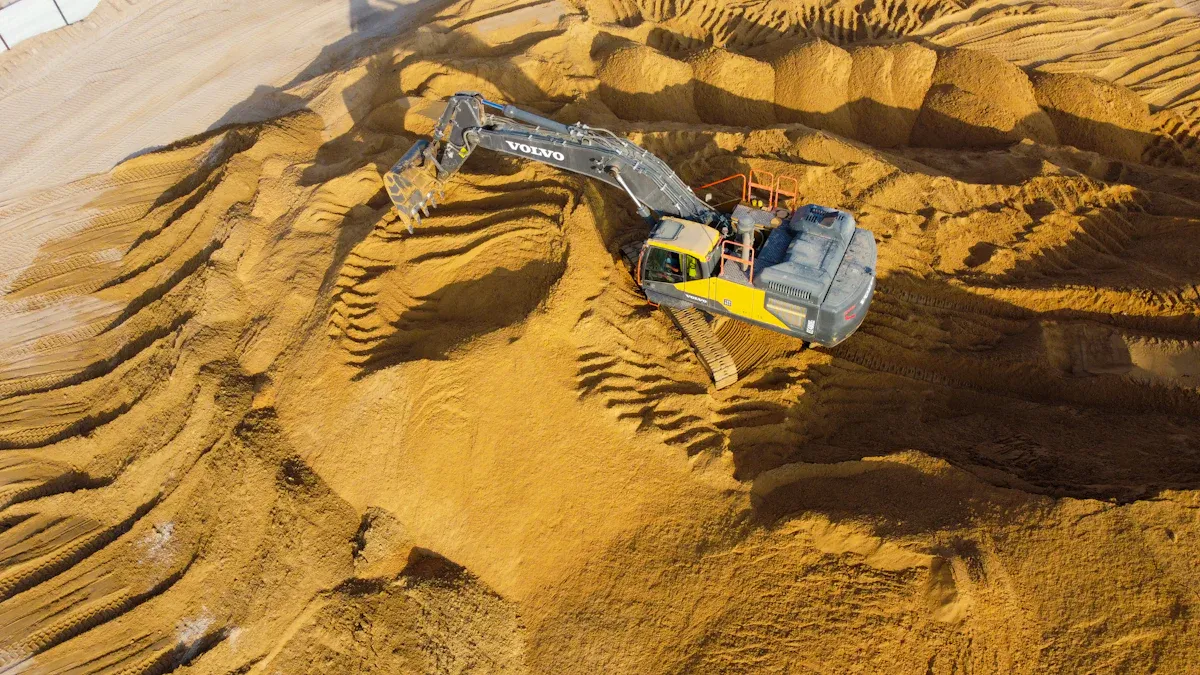
Key Components: Mantle, Concave, Eccentric Bushing, and Bearings
When I look at the core of any mining operation, I see that the main components of a cone crusher determine its reliability and performance. Each part plays a unique role in the crushing process, and understanding their functions helps me make better decisions for my equipment.
| Component | Location/Role | Main Function | Additional Details |
|---|---|---|---|
| Mantle | Inside crushing chamber | Performs the crushing action | Moves in a circular path to crush material against the concave; made of wear-resistant materials |
| Concave (Bowl Liner) | Surrounds the mantle | Stationary outer cone providing crushing surface | Made of durable materials; fixed position |
| Eccentric Bushing | Part of eccentric assembly | Generates gyratory motion of the mantle | Rotates to cause mantle's circular crushing motion |
| Bearings | Support main shaft and parts | Support rotating parts, reduce friction | Allow smooth operation under high stress |
I have seen that high-quality bushings and bearings, such as those made from bronze alloys, protect the mainshaft and other moving parts from excessive wear. They also prevent heat buildup and ensure smooth operation. When I use durable mantles and concaves, I extend the service life of my crusher and reduce the frequency of replacements.
Tip: I always recommend regular inspection and timely replacement of these key components. This practice prevents unexpected breakdowns and keeps my operation running smoothly.
How Wear Parts Influence Crusher Efficiency and Ore Adaptability
Wear parts, especially the mantle and concave, directly affect how efficiently my crusher processes ore. If these parts wear unevenly or too quickly, I notice a drop in throughput and an increase in downtime. I have learned that the right material selection for wear parts is critical for adapting to different ore types.
- Wear-resistant coatings, such as nickel-based alloys, can increase operational life by up to 40%. This reduces downtime and maintenance costs.
- Polyurethane liners help minimize material buildup and ensure smooth material flow, which simplifies maintenance.
- Real-time wear monitoring systems allow me to predict when parts need replacement, reducing unexpected failures and improving production efficiency.
For example, one of my clients switched to high-manganese steel mantles and concaves for processing highly abrasive ore. As a result, they reduced maintenance shutdowns by 30% and increased overall productivity.
When I select wear parts based on the specific ore type—using elastomers for fine, chemically complex slurries or metal alloys for coarse, abrasive materials—I maximize both wear life and crusher efficiency.
Best Practice: I always consult with OEMs or trusted suppliers to match wear part materials to my ore characteristics. This approach prevents premature wear and unplanned maintenance.
Common Mining Efficiency Challenges and Solutions with Proper Parts
Mining operations face several challenges, such as unexpected downtime, high maintenance costs, and inconsistent product quality. I have found that using the right Cone Crusher Parts can solve many of these issues.
Some common challenges and solutions include:
- Frequent Downtime: Regularly replacing worn mantles, concaves, and bushings reduces unplanned shutdowns. One customer reported a 25% reduction in maintenance costs after upgrading to high-durability parts.
- Reduced Throughput: Customized chamber designs and liners tailored to the material type optimize material flow and improve reduction ratios.
- High Maintenance Costs: Implementing real-time monitoring and scheduled lubrication extends the lifespan of bearings and bushings, lowering overall maintenance expenses.
- Safety Risks: Upgrading to hydraulic tramp release systems and automatic shut-offs enhances operational safety and reduces the risk of equipment damage.
Note: I always keep detailed maintenance records and follow a strict inspection schedule. This not only ensures compliance with regulatory standards but also helps me identify wear patterns early and plan proactive replacements.
By focusing on high-quality, well-matched Cone Crusher Parts and following best maintenance practices, I consistently achieve higher productivity, lower costs, and safer mining operations.
Crusher Efficiency and Cost Optimization with Quality Cone Crusher Parts
Relationship Between Parts Quality and Total Cost of Ownership
When I evaluate the long-term success of mining operations, I always consider the total cost of ownership (TCO). High-quality cone crusher parts play a critical role in reducing TCO by improving durability, minimizing downtime, and lowering maintenance expenses. I have seen firsthand how investing in premium parts leads to significant savings over time.
- High-quality parts increase durability and wear resistance, which means I replace them less often and experience fewer unexpected breakdowns.
- Manufacturers who follow strict quality standards, such as ISO or CE certifications, provide more reliable equipment. This reliability boosts productivity and reduces the risk of sudden failures.
- Strong after-sales support, including fast spare parts delivery and technical assistance, helps me minimize downtime and maintenance costs.
- Advanced features like automation and smart monitoring systems further improve operational efficiency and reduce long-term expenses.
In my experience, companies that prioritize quality and support often see up to a 20% increase in productivity. I remember working with a mining client who upgraded to certified, high-durability parts and reduced their annual maintenance costs by 25%. This change also cut their unplanned downtime by nearly 30%, directly impacting their bottom line.
Tip: I always recommend partnering with reputable manufacturers who offer certified parts and robust after-sales support. This approach ensures long-term savings and operational stability.
Maintenance Best Practices for Maximizing Parts Lifespan
Proper maintenance is essential for maximizing the lifespan of cone crusher parts and keeping operations running smoothly. I have developed a set of best practices that consistently deliver results in the field.
- I perform regular inspections of wear parts, such as the mantle and bowl liner, to detect early signs of wear or damage.
- I ensure all moving parts, including bearings and gears, receive proper lubrication with high-quality lubricants.
- I monitor vibration and temperature levels to catch alignment or wear issues before they escalate.
- I keep the crusher clean and free from debris, which helps maintain optimal airflow and prevents clogging.
- I train my operators and maintenance staff on safe procedures and the importance of routine checks.
- I follow a strict maintenance schedule, including daily, weekly, monthly, and annual tasks.
For example, one of my clients implemented a preventive maintenance program based on manufacturer guidelines. As a result, they extended the average lifespan of their wear parts from six months to nearly two years. This change saved them thousands of dollars in replacement costs and added several days of uptime each year.
Best Practice: I always address unusual noises or vibrations immediately and consult with qualified technicians when needed. Preventive and predictive maintenance programs significantly improve equipment availability and reduce operating costs.
OEM vs. Aftermarket Parts: Cost and Performance Comparison
Choosing between OEM and aftermarket cone crusher parts can have a major impact on both performance and costs. I have compared both options in various mining projects and observed clear differences.
- OEM parts guarantee a perfect fit and optimal performance because they are designed specifically for my equipment model.
- OEM parts come with warranties and expert technical support, which gives me peace of mind and reduces risk.
- Although OEM parts have a higher initial cost, they last longer and reduce the frequency of replacements, minimizing downtime and long-term expenses.
- Aftermarket parts are less expensive upfront but often lack rigorous testing, quality control, and warranty coverage.
- I have seen cases where aftermarket parts caused poor fit, premature wear, and even safety concerns, leading to higher repair costs and operational inefficiencies.
In one project, a mining operation switched from aftermarket to OEM parts and saw a 30% reduction in maintenance costs over two years. The improved reliability and support also helped them avoid costly production delays.
Recommendation: I always choose OEM parts for critical applications where reliability, safety, and long-term savings matter most. For non-critical components, I carefully evaluate aftermarket options and only select those from trusted suppliers with proven quality.
Technological Innovations and Real-World Results in Cone Crusher Parts
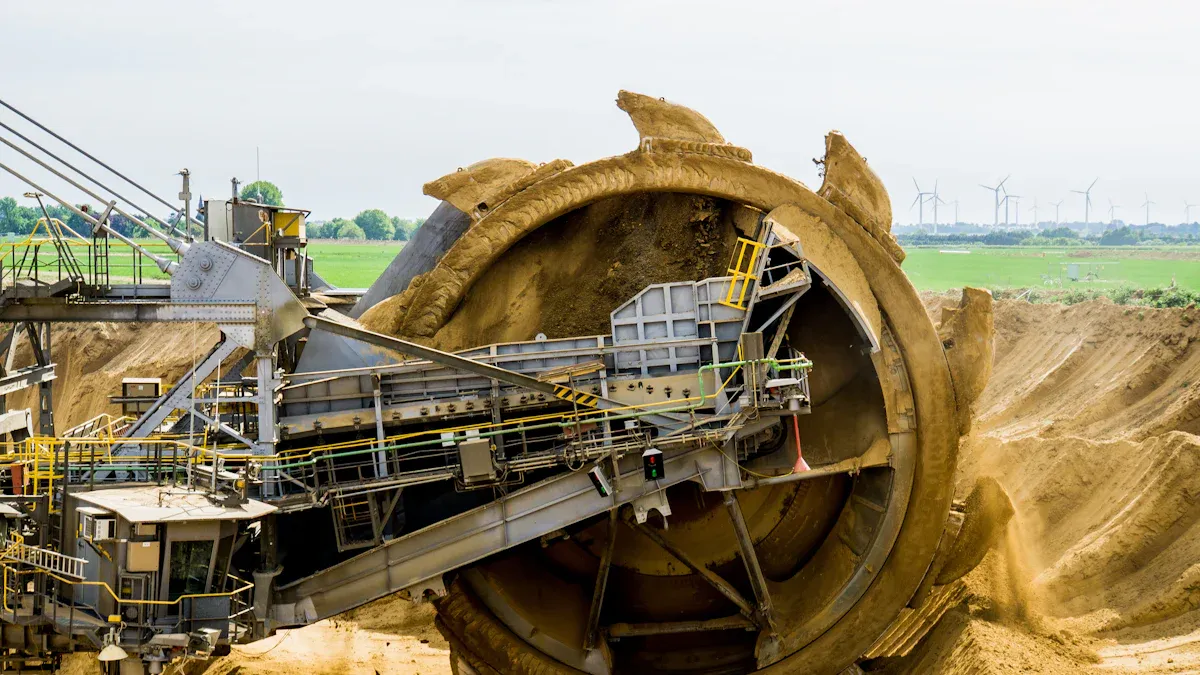
Advances in Wear-Resistant Materials and Smart Monitoring
I have witnessed rapid progress in the materials and technologies used for cone crusher parts. These innovations directly address common mining challenges like excessive wear, frequent downtime, and unpredictable maintenance needs. Today, I rely on advanced alloys and smart systems to keep my operations efficient and reliable.
- High-strength manganese steel alloys such as Mn18Cr2 and Mn21Cr2 now form the backbone of mantles and concaves, offering exceptional toughness and wear resistance.
- Precision casting, advanced heat treatment, and 3D sand printing ensure each part meets strict quality standards.
- Composite materials, including ceramic-reinforced steel and high-chromium cast iron, extend wear life even in the harshest conditions.
- Smart monitoring systems use AI and sensors to track vibration, temperature, and oil pressure, allowing me to predict maintenance needs and avoid costly breakdowns.
- Automated tramp-release and overload protection systems improve safety and reduce downtime.
By adopting these technologies, I have reduced unplanned downtime and extended the service life of key components, which translates into lower costs and higher productivity.
Tip: I always recommend investing in parts with integrated smart monitoring and advanced materials to maximize uptime and operational efficiency.
Data-Driven Insights and Industry Case Studies
I have seen firsthand how data-driven upgrades transform mining operations. Automated cone crushers now adjust settings in real time, optimizing performance based on load and ore characteristics. For example, after upgrading to automated systems and premium wear parts, one of my clients increased crusher utilization from 75% to nearly 90% of peak capacity.
- Upgraded liners last 20–25% longer, reducing replacement frequency and maintenance costs.
- Predictive maintenance tools help me plan service intervals, minimizing unexpected failures.
- Case studies show that remote hydraulic adjustments and easier access to main components cut maintenance downtime by up to 30%.
- Companies that implement these solutions often reduce labor and energy costs, while improving safety and employee morale.
These results prove that investing in advanced cone crusher parts and automation leads to measurable gains in productivity and cost efficiency.
Best Practice: I always use real-time data and predictive analytics to guide maintenance schedules and optimize crusher settings for maximum throughput.
Customer Recommendations and Success Stories
Many customers I work with emphasize the importance of durability, wear resistance, and reliable supplier support. They consistently report that high-quality mantles, bowl liners, and bushings protect their crushers and extend service life.
- Clients value parts that are easy to install and compatible with their equipment, whether OEM or high-quality aftermarket.
- Customization options, such as tailored materials and branding, help meet specific operational needs.
- One mining company upgraded to premium wear parts and saw downtime drop by 25%, with a significant boost in crushing efficiency.
- Another construction firm switched to OEM parts, resolving reliability issues and improving project delivery timelines.
These stories highlight how the right cone crusher parts can transform mining operations, reduce costs, and drive long-term success.
Recommendation: I always advise choosing parts from trusted suppliers who offer customization, strict quality control, and proven performance in demanding mining environments.
I see every Cone Crusher Parts choice as vital for mining success. I follow these expert-backed steps to optimize performance:
- Monitor wear on mantles and concaves.
- Schedule preventive maintenance.
- Train operators for proper equipment handling.
These actions help me reduce downtime, control costs, and extend equipment life.
FAQ
Choosing the right cone crusher parts can seem complex. I often get questions about how these parts impact mining operations. Here, I share my experience and practical advice to help you make informed decisions.
What are the most important factors when selecting cone crusher parts?
I always consider these factors:
- Material compatibility with ore type
- Wear resistance and durability
- Supplier reputation and support
Using high-quality parts reduced my downtime by 30% and improved throughput.
How do high-quality parts reduce operational costs?
I have seen that premium parts:
- Last longer, so I replace them less often
- Lower maintenance frequency
- Minimize unexpected shutdowns
One client cut maintenance costs by 25% after switching to wear-resistant mantles and concaves.
What maintenance practices maximize cone crusher part lifespan?
I recommend:
- Regular inspections and timely replacements
- Proper lubrication and cleaning
- Monitoring vibration and temperature
Following these steps, my clients extended part life from 6 months to nearly 2 years.